Top Tips for Choosing Your Ideal Home Scent
Finding the perfect scent for your home can transform your living space into a sanctuary. The right fragrance can evoke memories, create a welcoming atmosphere, and even influence your mood. With so many options available, how do you choose the ideal scent for your home? In this guide, we’ll explore practical tips to help you select a fragrance that resonates with your personal style and enhances your environment.

Understand the Impact of Scent
Before diving into the selection process, it’s essential to understand how scent affects our emotions and perceptions. Research shows that certain fragrances can trigger memories and feelings. For example:
Citrus scents like lemon and orange can uplift your mood and energize your space.
Lavender is known for its calming properties, making it ideal for bedrooms or relaxation areas.
Vanilla can create a warm and inviting atmosphere, perfect for living rooms or kitchens.
By understanding the emotional impact of different scents, you can make a more informed choice that aligns with the ambiance you want to create.
Identify Your Preferences
Everyone has unique scent preferences. To find your ideal home fragrance, consider the following:
Personal Favorites: Think about scents you enjoy in perfumes, candles, or even food. Do you prefer floral, woody, fresh, or spicy aromas?
Seasonal Changes: Your scent preferences may vary with the seasons. Light, fresh scents may be more appealing in spring and summer, while warm, cozy fragrances might suit fall and winter.
Room Functionality: Different rooms serve different purposes. A refreshing scent might work well in a kitchen, while a soothing fragrance is better suited for a bedroom.
Explore Different Types of Home Fragrances
There are various ways to introduce scent into your home. Here are some popular options:
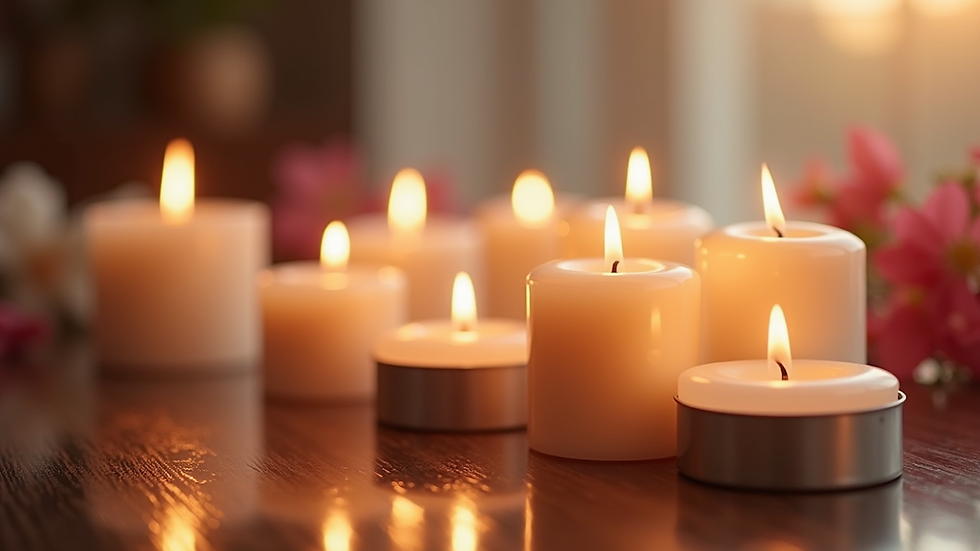
Candles: These provide both light and fragrance. Look for high-quality candles made from natural wax for a cleaner burn.
Essential Oil Diffusers: These devices disperse essential oils into the air, allowing you to customize your scent experience.
Incense: A traditional method of scenting a space, incense can create a calming atmosphere.
Potpourri: This decorative option can add a subtle fragrance to any room.
Scented Sachets: Place these in drawers or closets for a gentle aroma.
Experiment with different types to see which works best for your lifestyle and preferences.
Test Before You Commit
When selecting a scent, it’s crucial to test it first. Here are some tips for testing fragrances effectively:
Sample Sizes: Purchase sample sizes or travel versions of candles or oils to try them out in your home.
Burn or Diffuse: If you’re considering candles or essential oils, burn or diffuse them in the space where you plan to use them. This will give you a better idea of how the scent interacts with your environment.
Give It Time: Allow the fragrance to settle for a few hours before making a decision. Sometimes, scents can change as they warm up or mix with other elements in your home.
Consider the Size of Your Space
The size of your room can significantly influence how a scent is perceived. Here’s how to choose accordingly:
Small Spaces: In smaller areas, opt for lighter scents that won’t overwhelm. Fresh or citrus fragrances work well here.
Large Areas: For larger rooms, you can afford to use stronger scents. Consider deeper, more complex fragrances that can fill the space effectively.
Pay Attention to Quality
Not all fragrances are created equal. Here’s what to look for when selecting high-quality scents:
Natural Ingredients: Choose products made from natural ingredients rather than synthetic fragrances, which can be harsh and overpowering.
Burn Time: For candles, check the burn time. Higher-quality candles tend to last longer and provide a more consistent scent.
Brand Reputation: Research brands and read reviews to ensure you’re purchasing from reputable sources.
Create a Signature Scent
Once you’ve explored different fragrances, consider creating a signature scent for your home. This can be achieved by:
Layering Scents: Use complementary scents in different forms. For example, pair a citrus candle with a fresh linen spray for a cohesive aroma.
Personal Touch: Incorporate scents that hold personal significance, such as a fragrance reminiscent of a favorite vacation or a beloved flower.
Maintain Your Home Fragrance
To keep your home smelling fresh, regular maintenance is essential. Here are some tips:
Rotate Scents: Change your home fragrance seasonally or whenever you feel the need for a change. This keeps your space feeling dynamic and inviting.
Clean Regularly: Dust and clean your home to prevent stale odors from lingering. Fabrics can absorb scents, so wash curtains and cushion covers periodically.
Store Properly: Keep scented products in a cool, dark place to preserve their quality and longevity.
Conclusion
Choosing the ideal home scent is a personal journey that can significantly enhance your living space. By understanding the impact of scent, identifying your preferences, and exploring various options, you can create an inviting atmosphere that reflects your style. Remember to test fragrances, consider the size of your space, and maintain your chosen scents for the best results.
Take the time to find scents that resonate with you, and enjoy the transformation they bring to your home. Happy scent hunting!

Comments